
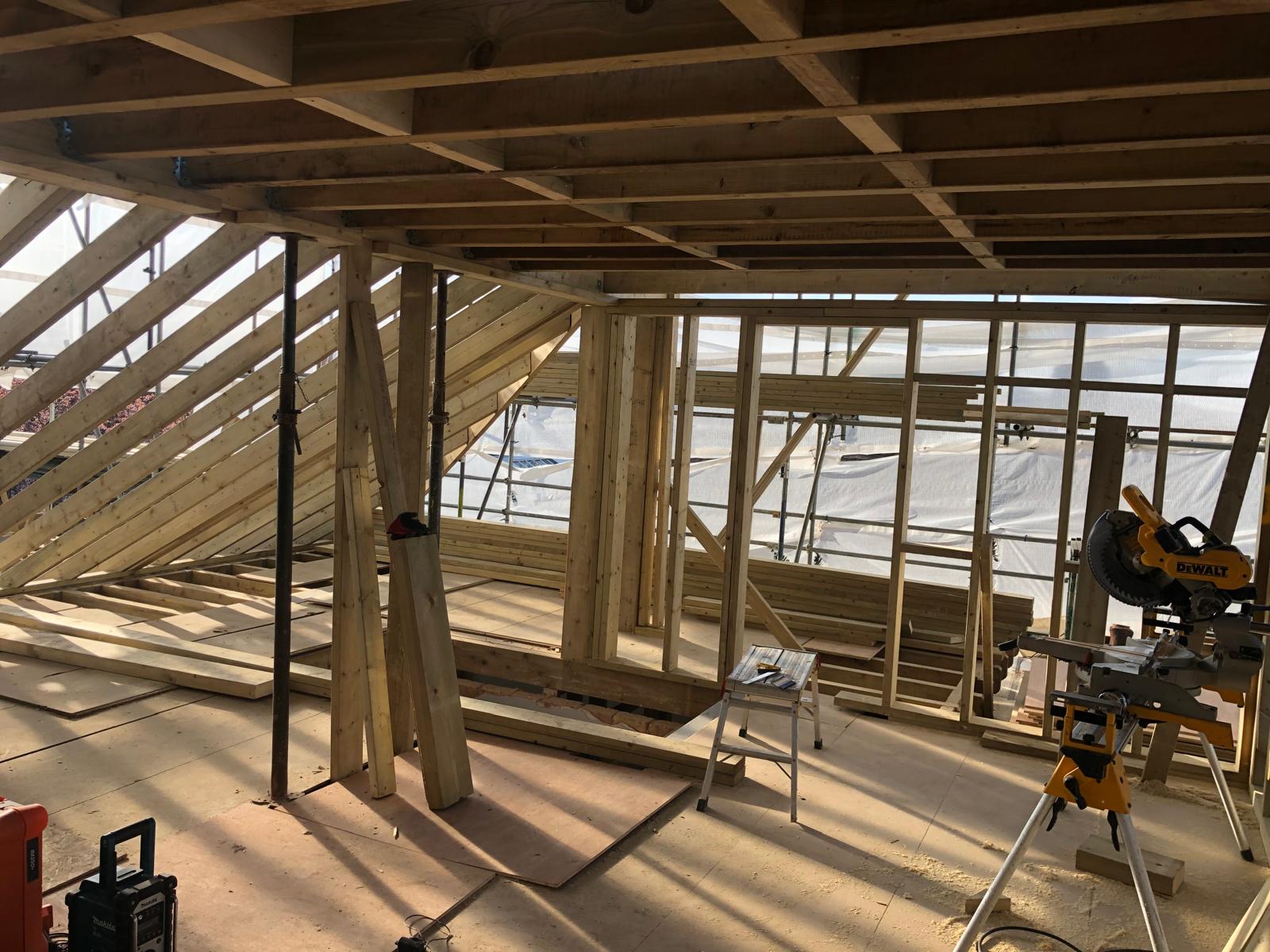
Silverain: Your Trusted Local Loft Conversion Experts
Welcome to Silverain, the trusted and respected loft conversion specialists in Wimbledon, London. With our team of highly skilled and experienced professionals, we are committed to delivering outstanding services that are tailor-made to suit your unique requirements.
Share your vision with us today and witness how we transform it into a vibrant reality that exceeds your expectations. Contact us now and embark on your journey towards a stylish and functional loft space.
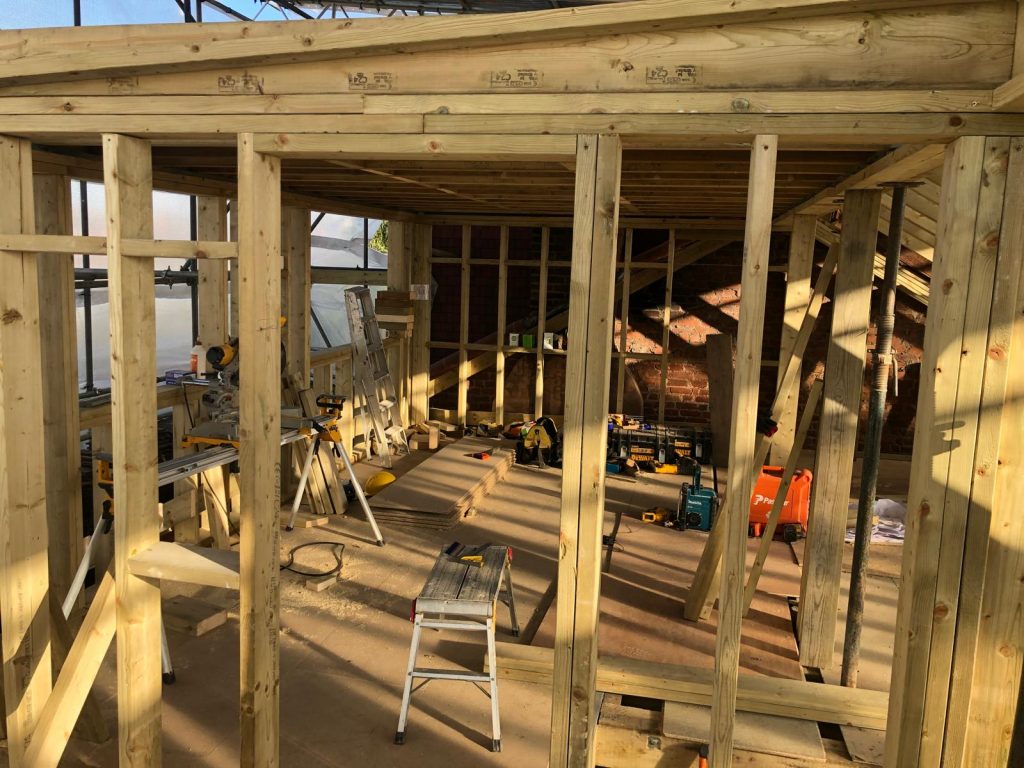
Silverain Loft Conversions
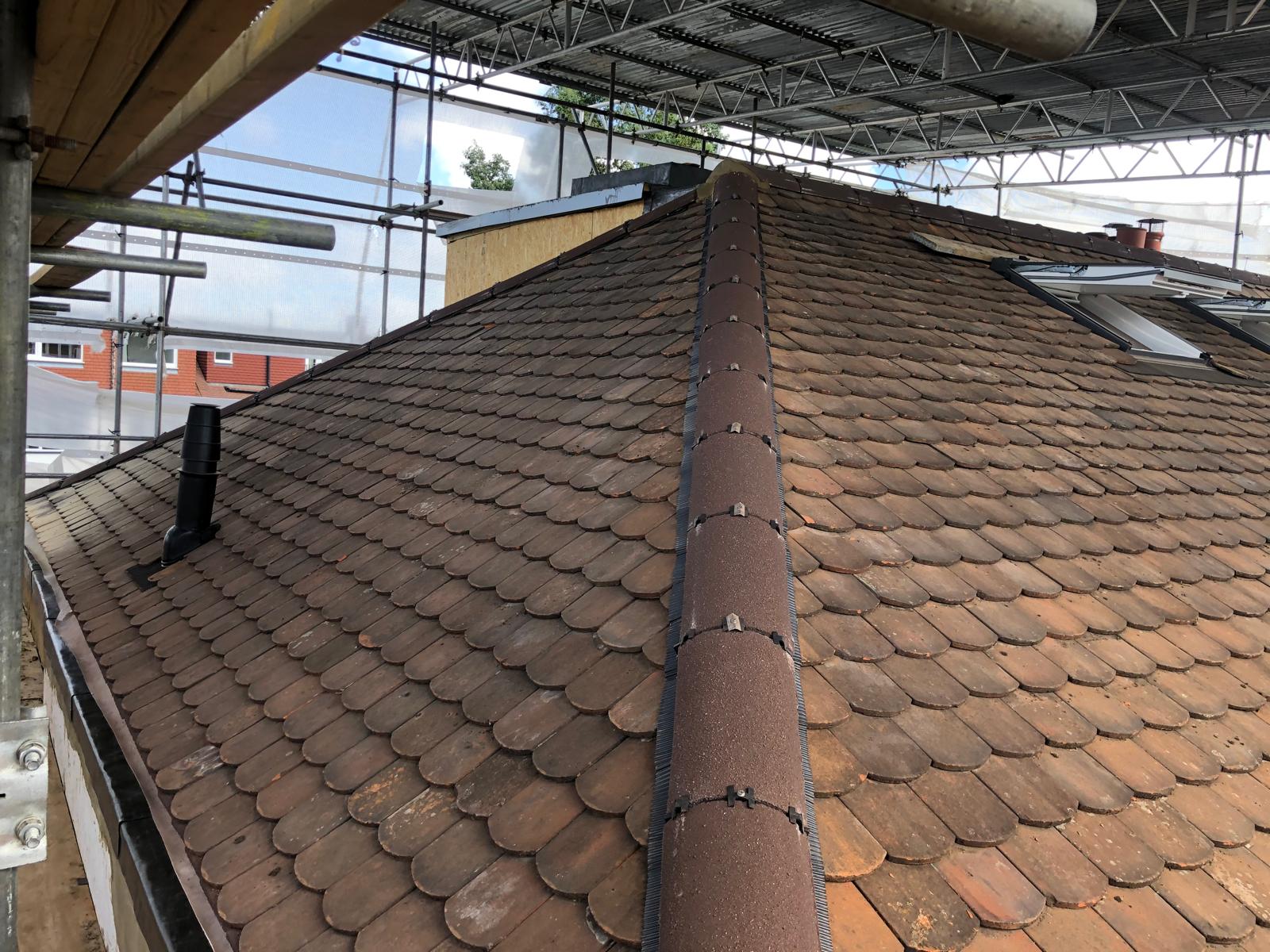
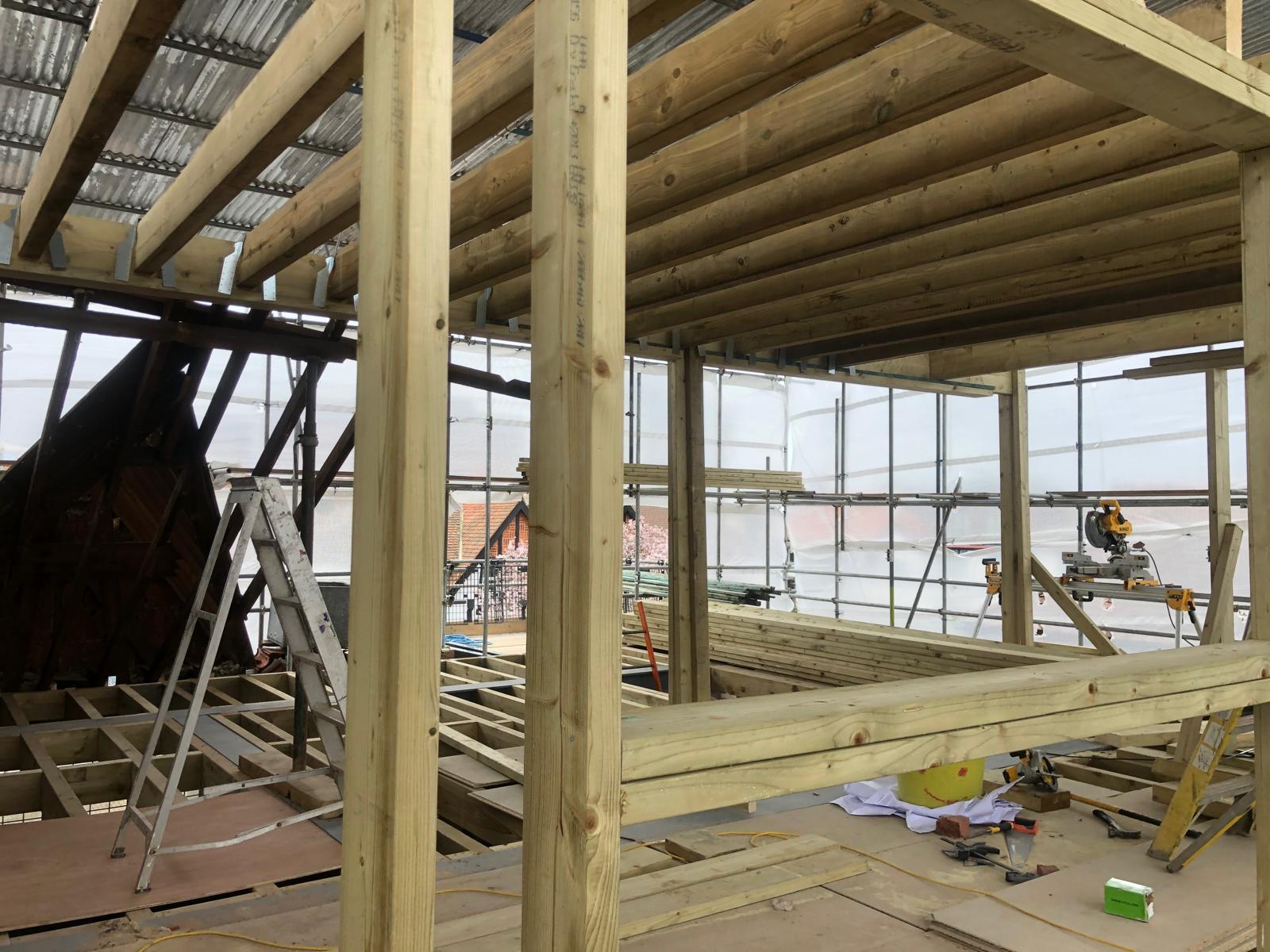
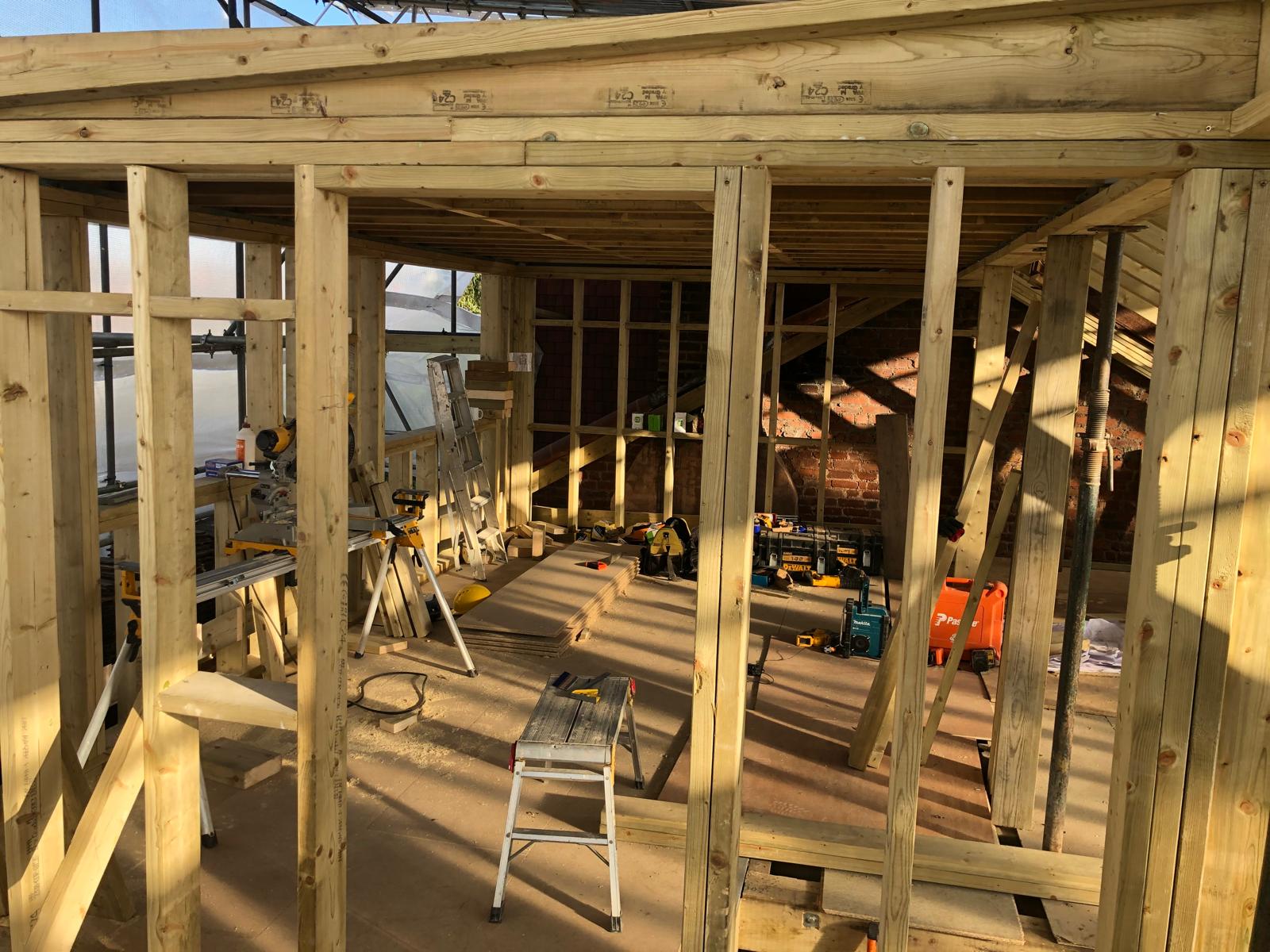
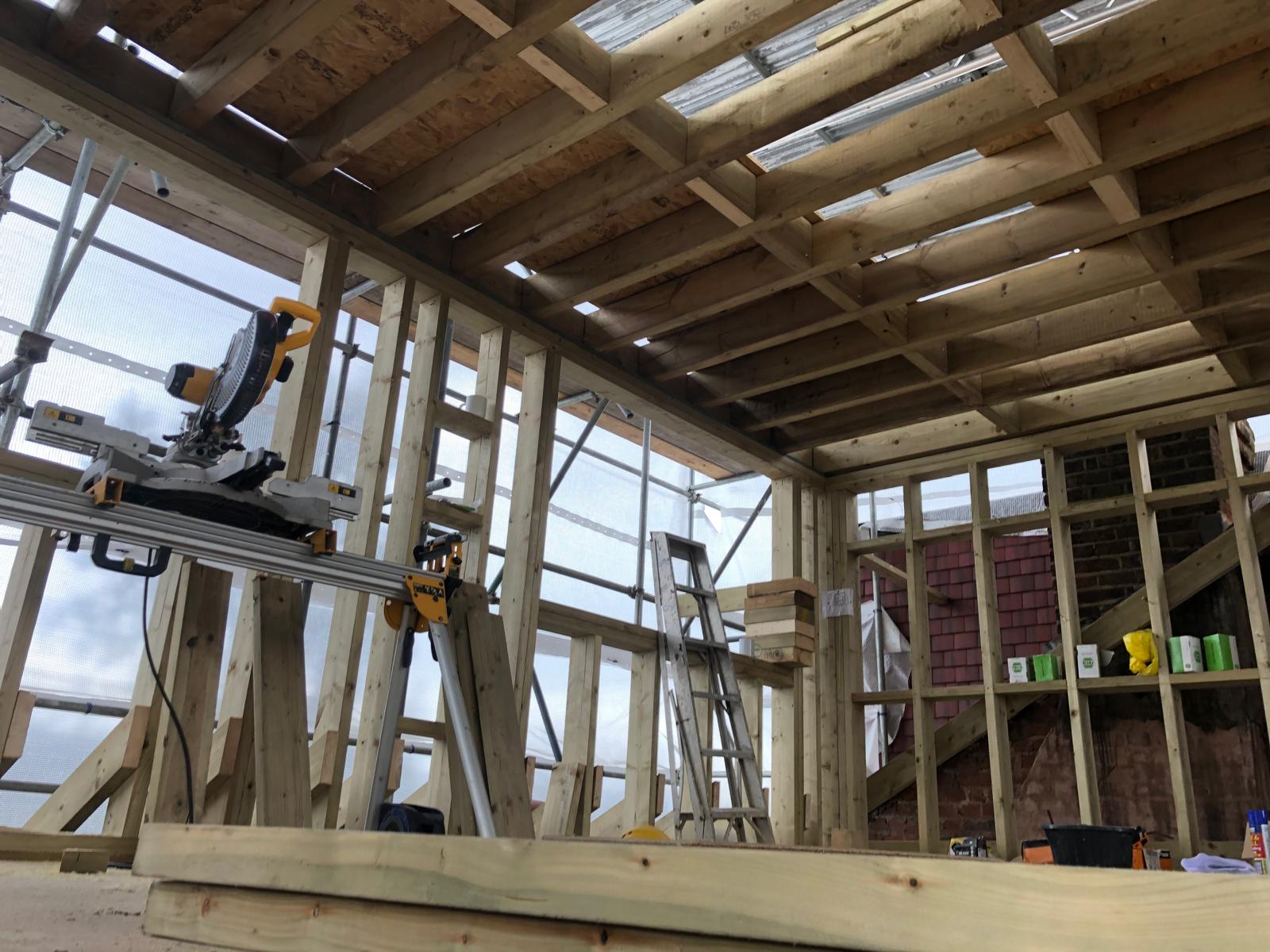
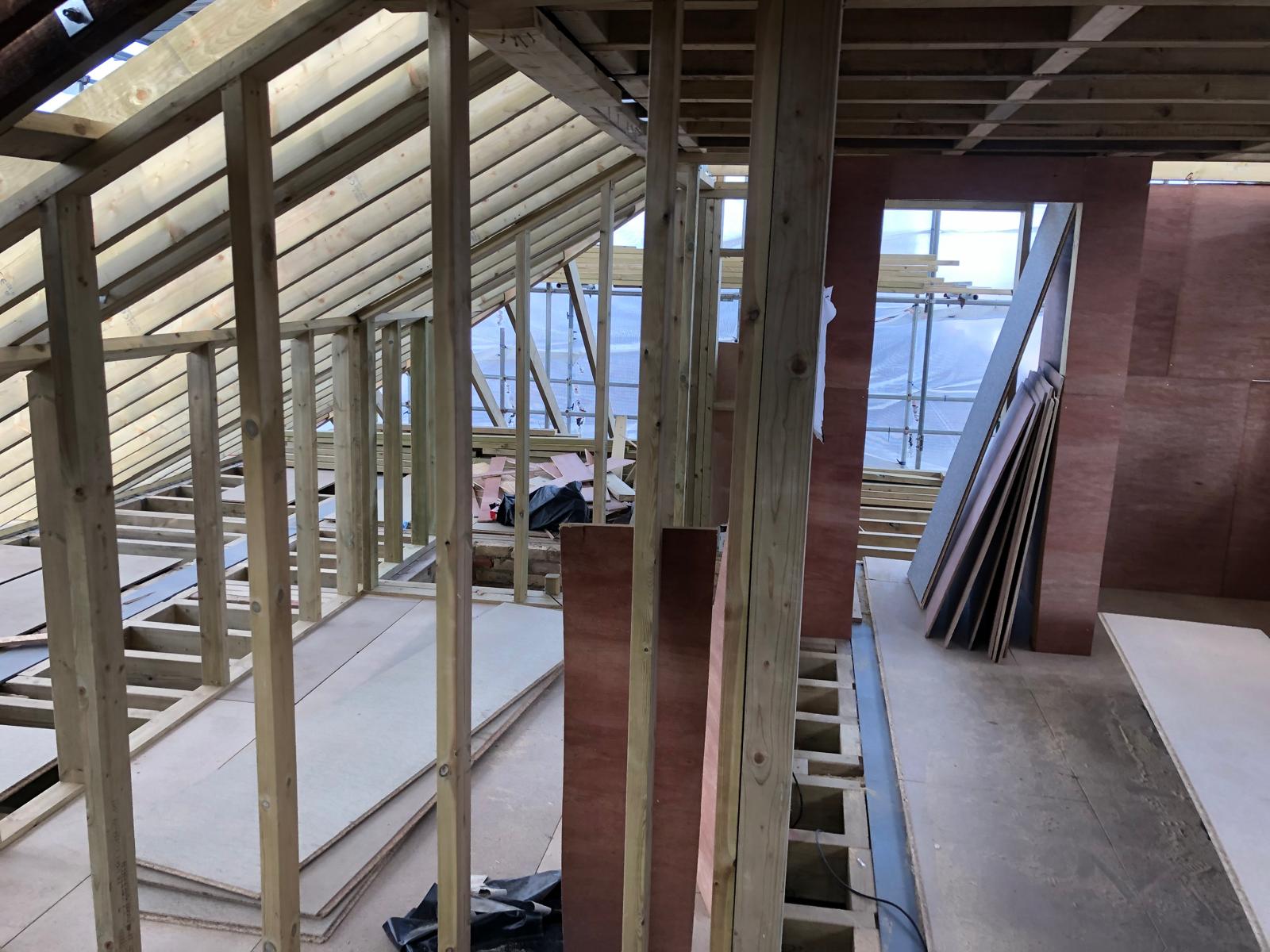
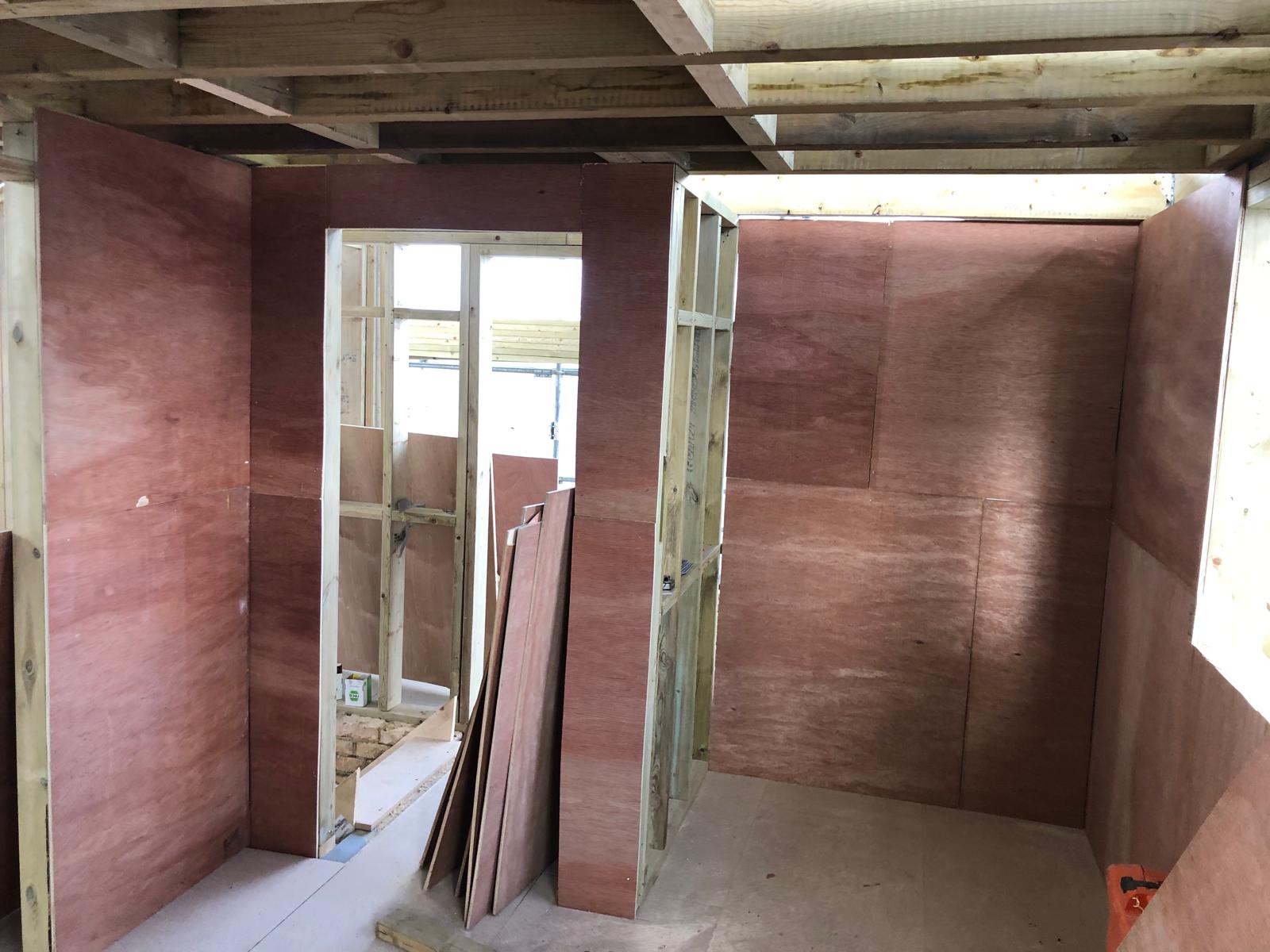
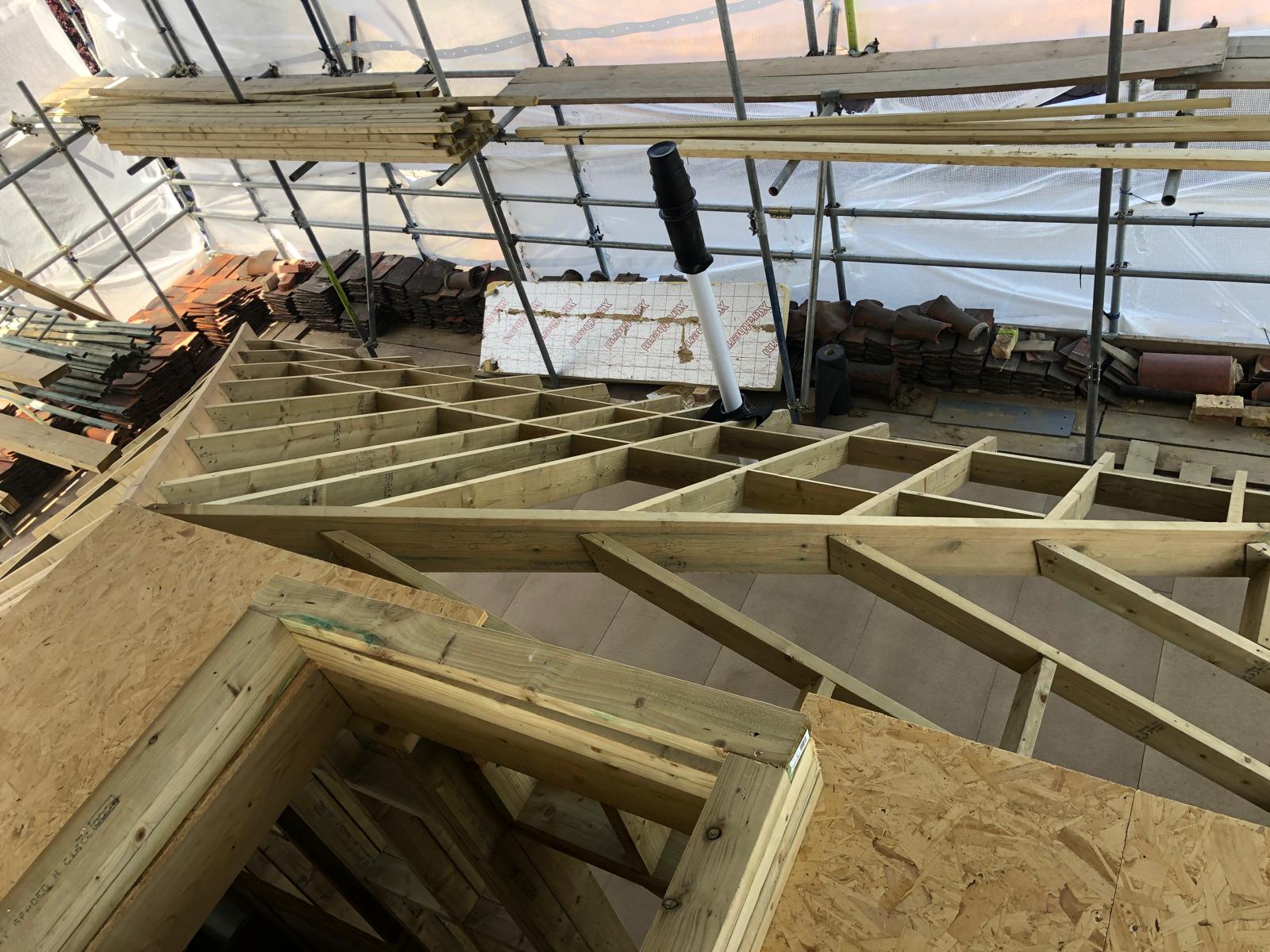
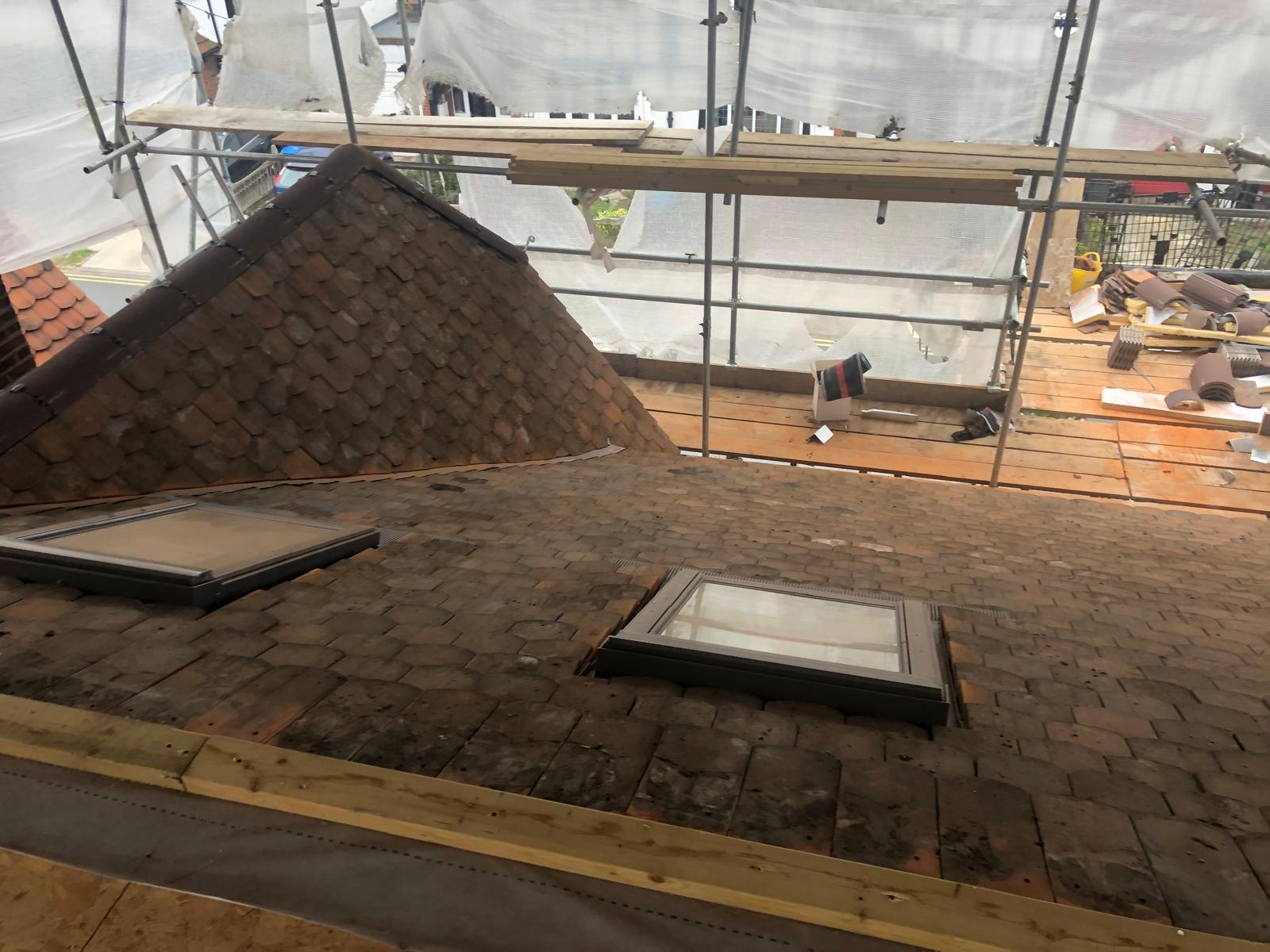
Loft Conversions FAQs
Do I need planning permission for a loft conversion?
Usually No. Most loft conversions fall under Permitted Development Rights if they meet volume limits and do not alter the roof shape excessively.
Exceptions include:
- Properties in conservation areas
- Flats/maisonettes
- Roofs being raised or significantly altered
What are Permitted Development Rights?
These allow certain types of home extensions without a planning application, provided the design meets rules on height, footprint, materials, and distance from boundaries. Listed buildings and flats do not qualify.
What types of loft conversions are there?
- Rooflight (Velux) – least structural work, most cost-effective
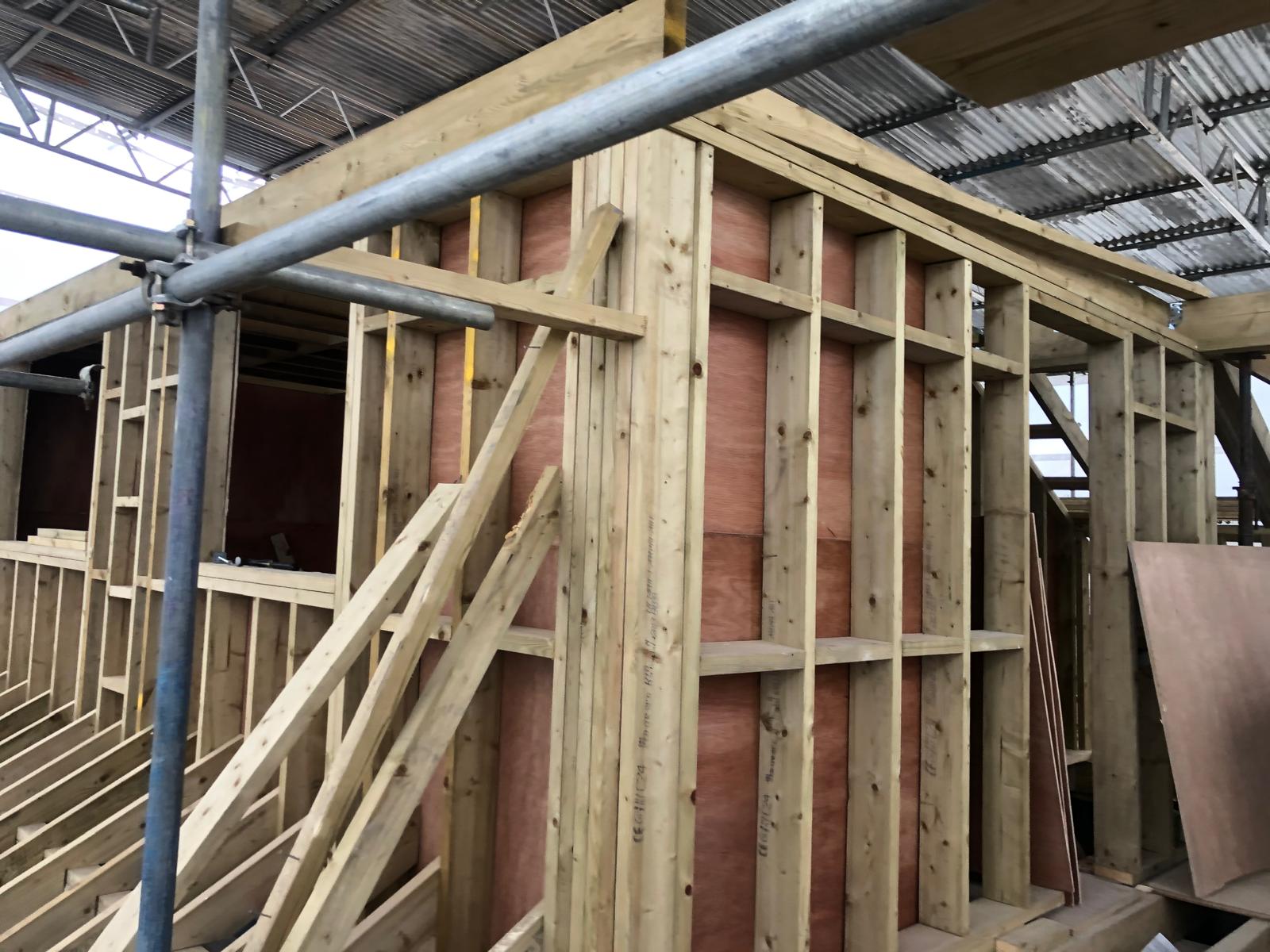
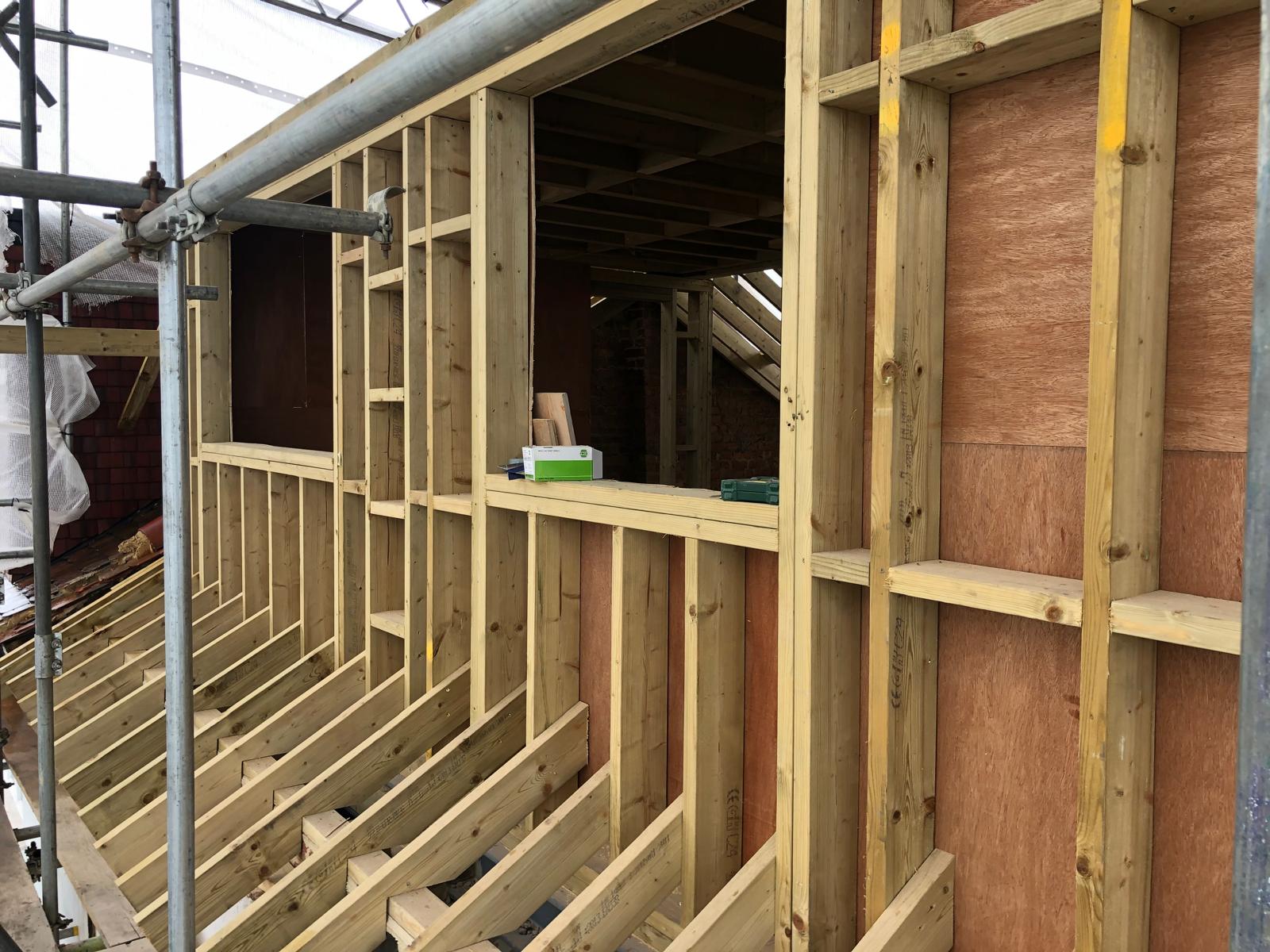
- Dormer – adds headroom and usable floor space
- Hip-to-Gable – converts sloped hip roof to vertical gable
- Mansard – maximises space; usually needs planning
- L-shaped Dormer – common for terraces with rear additions
How long does a loft conversion take?
- Velux / Rooflight: 4–6 weeks
- Dormer: 6–10 weeks
- Hip-to-Gable or Mansard: 8–12+ weeks
Times vary depending on structural changes and finishes.
How much does a loft conversion cost?
Typical UK price ranges:
- Velux: £20,000–£35,000
- Rear Dormer: £35,000–£55,000
- Hip-to-Gable: £45,000–£65,000
- Mansard: £60,000–£90,000+
Costs vary by size, region, and specification.
Will my loft conversion add value to my home?
Yes — usually 15–25% added value depending on design, location, and use (bedroom + bathroom adds the most value).
Do I need Building Regulations approval?
Yes. Regulations cover:
- Structural strength
- Fire safety and escape routes
- Insulation (thermal and sound)
- Stairs
- Electrical installation
A Building Control officer will inspect throughout the build.
Is my loft suitable for conversion?
Your loft is suitable if:
- Head height is around 2.2m+ at the highest point
- The structure can support additional load
- There is space for a staircase
- The roof shape is workable for your chosen style
A builder or architect can confirm suitability.
Will I lose storage space?
Yes, but most conversions include eaves storage to retain as much space as possible.
Can I live in the house during the loft conversion?
Yes — most loft conversions are done from the outside (scaffolding access), so disruption is minimal until the staircase is installed.
Do I need a party wall agreement?
If you share a wall with neighbours (terraced/semi-detached), the Party Wall Act usually applies.
This involves serving formal notices to neighbours before work begins.
Will I need new insulation or upgraded fire protection?
Yes. Regulations require:
- High-performance insulation
- Fire-rated doors
- Smoke alarms on every floor
- Safe escape routes
What are the stages of a loft conversion?
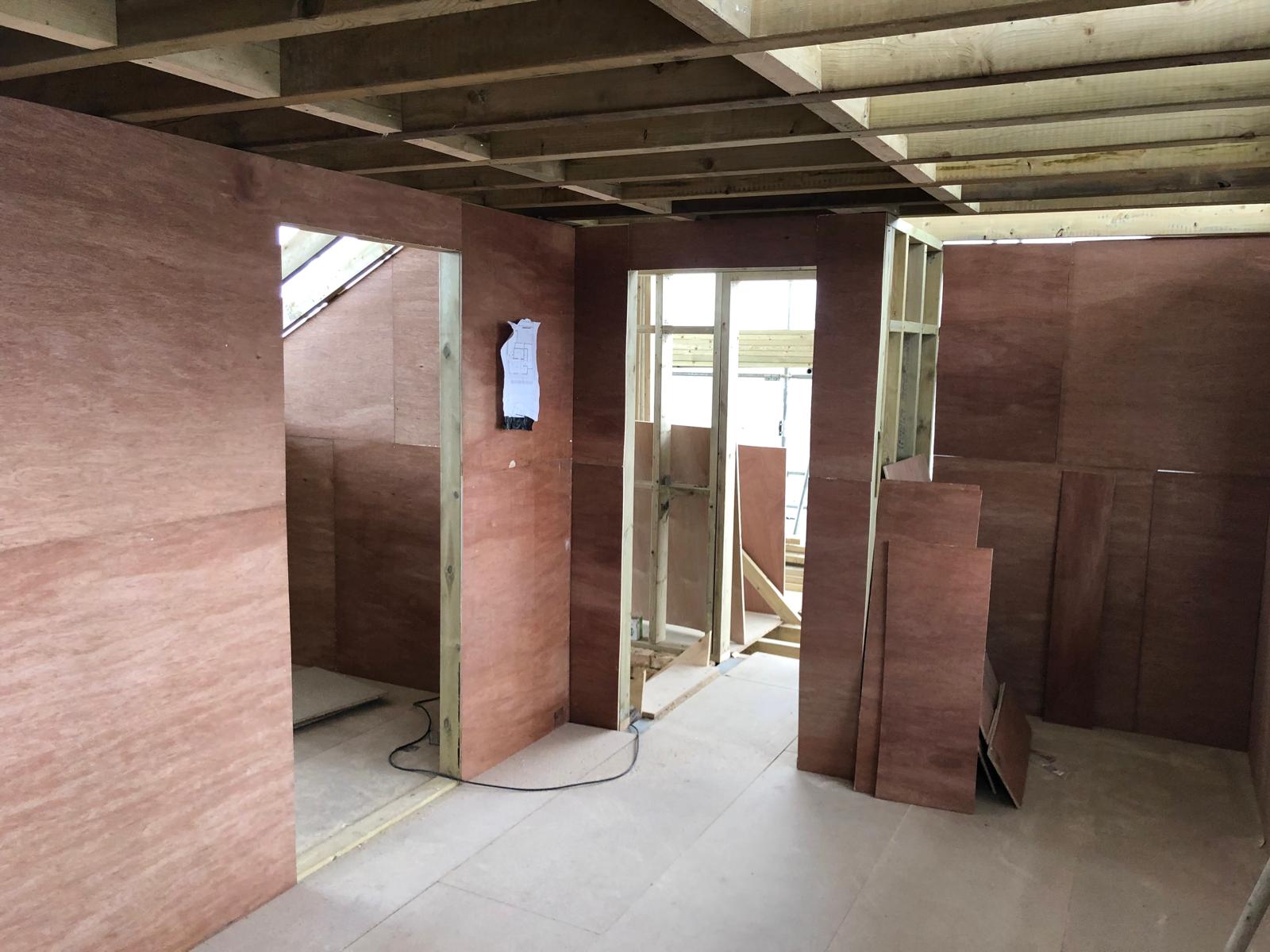
- Survey & design
- Structural calculations
- Planning (if required)
- Building Regs approval
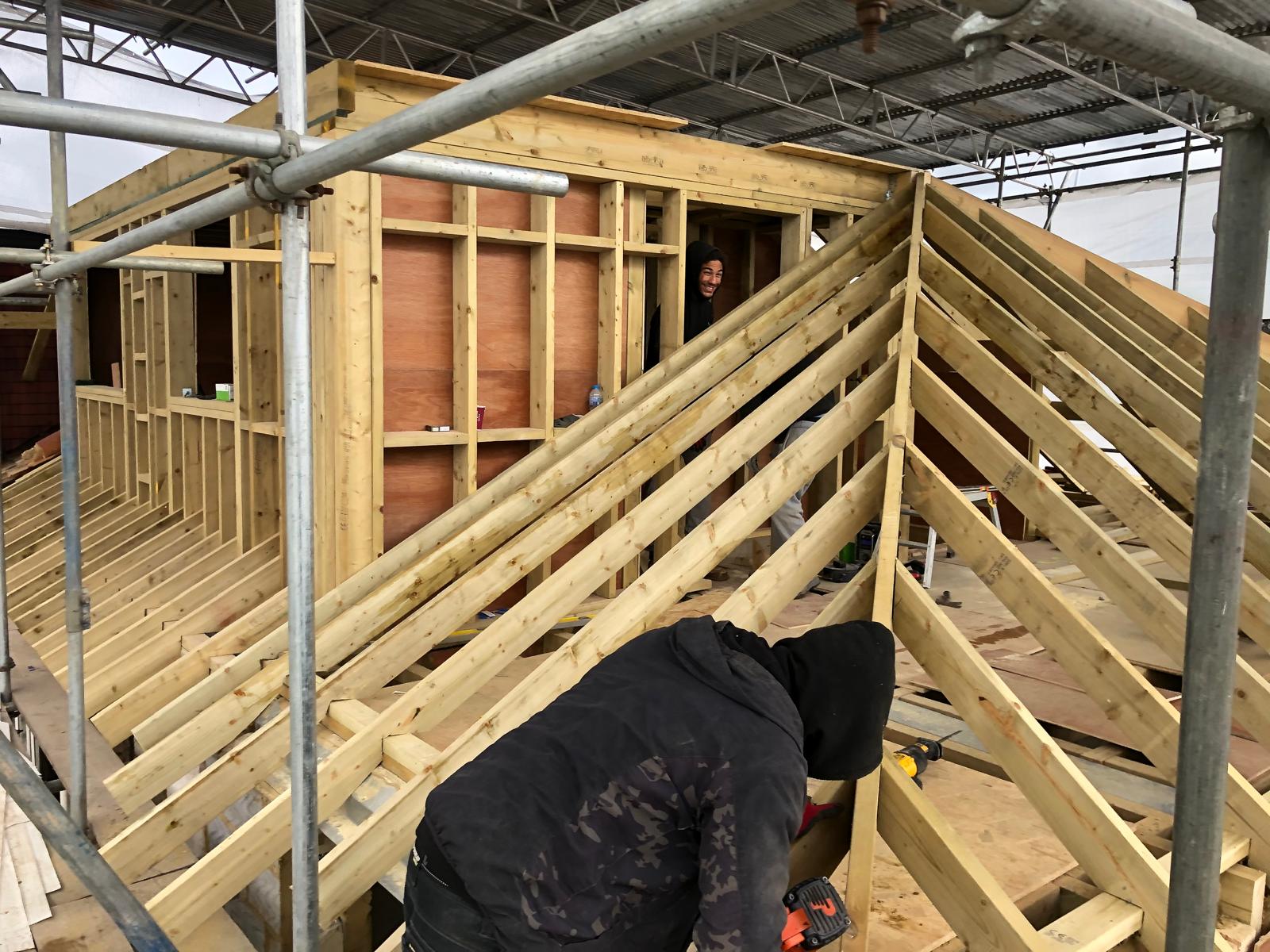
- Structural work
- Dormer/roof construction (if applicable)
- Windows & rooflights
- Electrics & plumbing
- Insulation & plastering
- Stairs installation
- Finishing & decoration
Will a loft conversion affect my roof?
Some styles (dormer, hip-to-gable, mansard) alter the roof shape, while Velux-only conversions leave the structure mostly unchanged.
Do I need architectural drawings?
Yes — for Building Regulations, structural calculations, and to ensure accurate pricing and construction.
Will my boiler need upgrading for a loft bathroom?
Possibly. It depends on:
- Existing water pressure
- Boiler capacity
- Location of hot/cold feeds
A plumber can assess this early in the design stage.